
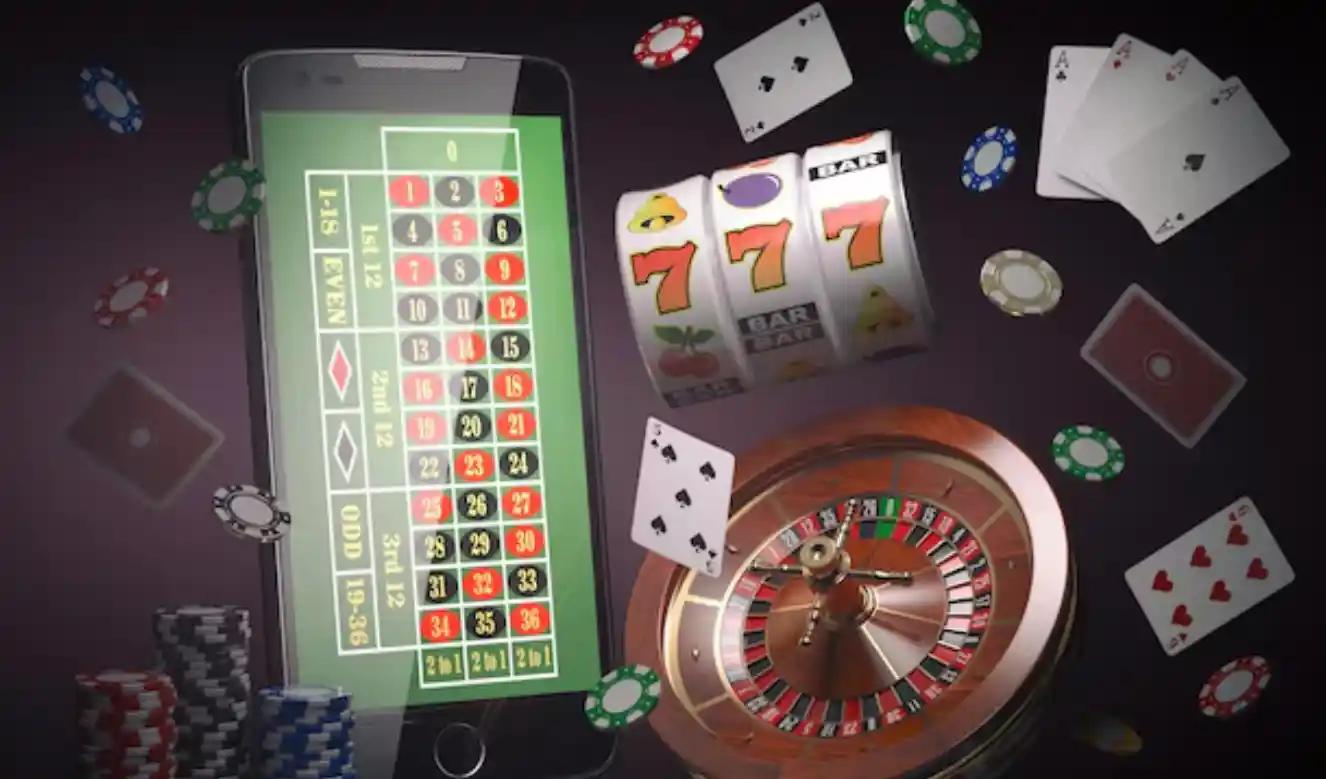
In Bangladesh, it is precisely these ‘empty’ pauses that have become the main time for gaming. Why has the ‘pop in for a moment and pop out right away’ format won out over long evening sessions in front of the monitor?
We decided to discuss this with Rahim. He works in a large office, is constantly on the move, and has been playing for several years. His approach to leisure is a perfect example of how a modern person adapts to the realities of a metropolis.
Interview: “I don’t need a marathon; I need a pause”
— Look, when exactly is it “quiet”? At home, there’s family, noise, children, and a mountain of chores. My only personal time is the commute or those fifteen minutes while I’m waiting for a colleague in a café.
The phone is always in my hand — it’s part of me. I don’t need to “set the mood,” turn on a computer, or wait for things to boot up. I open the site while waiting for my coffee, and that’s it — I’m already in the process.
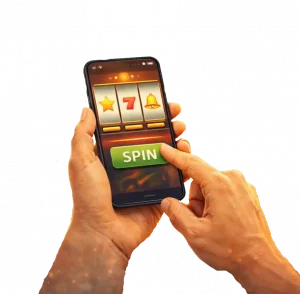 — That’s exactly the beauty of it. Previously, when people sat for hours, they lived for the game. For me, it’s just like changing the scenery before my eyes.
Work is a stream of spreadsheets and reports, and honestly, my brain feels like mush. I log on, have a few quick spins, get that short impulse — and my brain switches gears.
— I used to get angry, try to reconnect, and get nervous. Now? I don’t care at all. If the internet drops, I just close the tab and put the phone in my pocket.
— Only the ones that “fly.” If I see a long intro or story — I close it immediately. I need instant response and immediate results.
An Outside Perspective
They have become a service — as casual as buying a snack on the street.
Players no longer seek complex worlds. They seek speed, accessibility, and the freedom to return to real life at any second — without regret.